I. The Supervisory Board
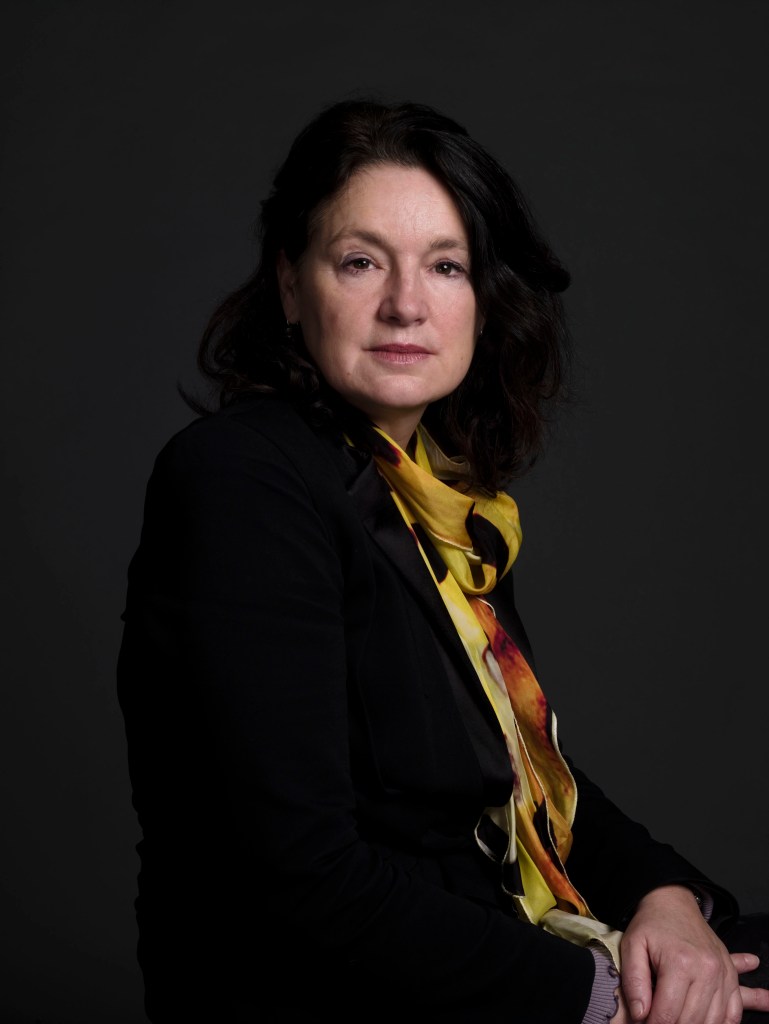
Jose Teunissen (chair)
José Teunissen is Head of the Amsterdam Fashion Institute (AMFI), and Professor of Fashion Theory. Currently she is the principal investigator of 3 European funded project around Fashion Tech and digital learning (E4FT, FT Alliance, DeFINE) Next, she works as a free-lance Fashion curator. From 2002- 2016 she held a Professorship in Fashion Theory at ArtEZ where she established the Centre of Expertise Future Makers. José is currently a board member of Dutch Creative Industries Council, Sonsbeek/State of Fashion and Fashion for Good.

Charles Esche
Charles Esche is director of Van Abbemuseum, Eindhoven; professor of contemporary art and curating at Central Saint Martins, UAL, London and co-director of Afterall Journal and Books. He teaches on the Exhibition Studies MRes course at CSM, and at Jan van Eyck Academie, Maastricht. Outwith the museum, he (co) curated Power and Other Things, Europalia, BOZAR, Brussels 1017; Art Turns, Word Turns; Museum MACAN, Jakarta 2017; Le Musée Égaré, Kunsthall Oslo 2017 and Printemps de Septembre, Toulouse 2016; Jakarta Biennale 2015; 31st Sao Paulo Bienal, 2014, U3 Triennale, Ljubljana, 2011; RIWAQ Biennale, Palestine, 2007 and 2009; Istanbul Biennale, 2005; Gwangju Biennale, 2002.

Branko Popovic
Branko Popovic is a multidisciplinary artist, designer and blogger based in Maastricht, The Netherlands. Graduated from fashion and textile department of the Academy of Fine Arts in Maastricht. His work consists of fashion collections and autonomous work (illustrations and drawings.) Apart from his own label, he is one of the founders of Foundation FASHIONCLASH. FASHIONCLASH organizes projects, which aim to provide a platform for young talents. One of the projects is the successful International fashion event FASHIONCLASH Maastricht that will take place for the 4th time in June 2012. Since 2009, over 500 designers and artists from all over the world have participated in FASHIONCLASH project.
II. The Executive Board
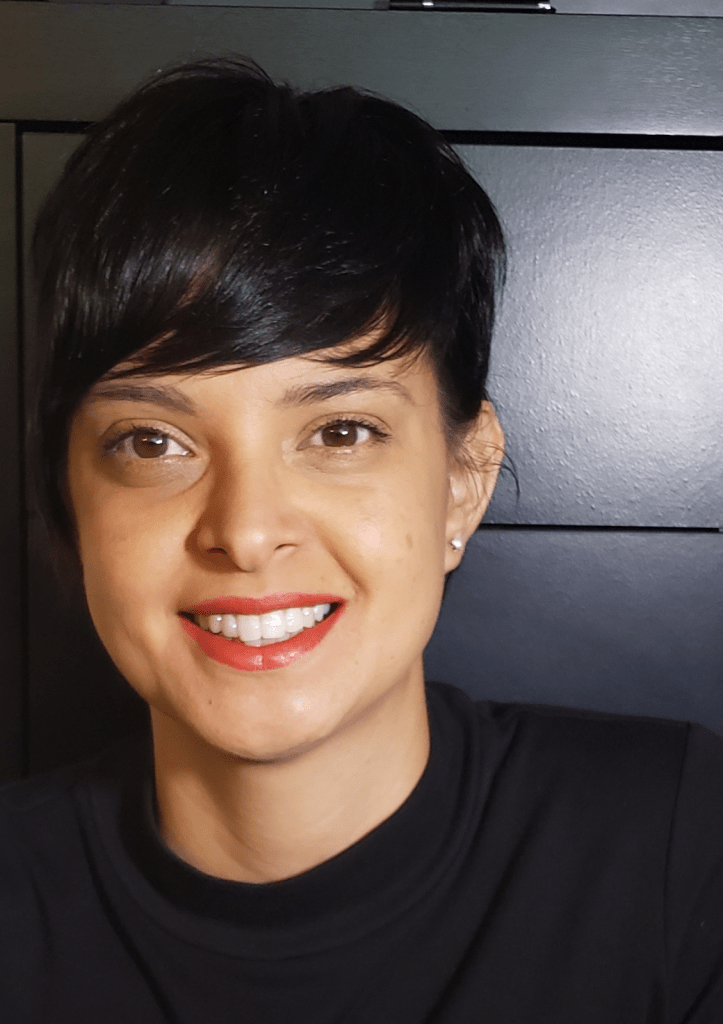
Mi Medrado (Interim Chair & Communication officer)
Mi Medrado is a cultural economic Anthropologist, editor, and decolonial researcher activist. Medrado is a Ph.D. candidate in Anthropology at the Federal University of Bahia with a doctoral stay at Agostinho Neto University in Luanda, Angola. She holds a Master in Arts and is a doctoral student at the University of California, Los Angeles. Her research on culture and political economy, and the decolonial aesthesis fashion knowledge pluriversality research compendium, fosters knowledge circulation and aims to elaborate on methodological tools for future fashion research in the Global South.
She is the principal investigator of the Research Center for Social Sciences in Fashion. She is the researcher co-founder of Coletivo Moda e Decolonialidade: Encruzilhadas no Sul Global, CoMoDe and the Rede de Estudos Decoloniais em Moda (ReDeM). She is the principal investigator of the Research Center for Social Sciences in Fashion, UFBA. Mi is part of the innovation and internationalization committee at the Brazilian Association of Fashion Studies and Research and the Practice-Based Fashion Research Network (Northumbria University -UK, and Parsons University| USA). She has lecture and workshop. Medrado has lectured at higher education and fashion institutions in Angola, Germany, Brazil, the United States, France, the Netherlands, and the United Kingdom.

PIERRE-ANTOINE VETTORELLO (Archiving, Participation and Outreach)
Pierre-Antoine Vettorello is a transdisciplinary Afropean researcher-artist at the
Antwerp Research Institute for the Arts. He is a member of the RCDF coalition in
Belgium, which organized a seminar in the fall of 2024. He edits and publishes The
Yarn and is involved in a four-year research project on crafts in Flanders.

Angela Jansen (Director | on sabbatical)
Angela Jansen is an independent researcher, educator, consultant, curator and director of the Research Collective for Decoloniality & Fashion (RCDF), based in Belgium. She is the author of Moroccan Fashion: Design, Tradition and Modernity (London: Bloomsbury, 2014) and coeditor with Jennifer Craik of Modern Fashion Traditions: Negotiating Tradition and Modernity Through Fashion (London: Bloomsbury, 2016). She is also the guest co-editor with Toby Slade of the special issue of Fashion Theory on Decoloniality and Fashion (Vol 24(6) 2020). As an anthropologist, her scholarship grows out of an effort to underwrite an ongoing critique concerning Eurocentric contemporary fashion from a decolonial perspective.
III. The Advisory Board
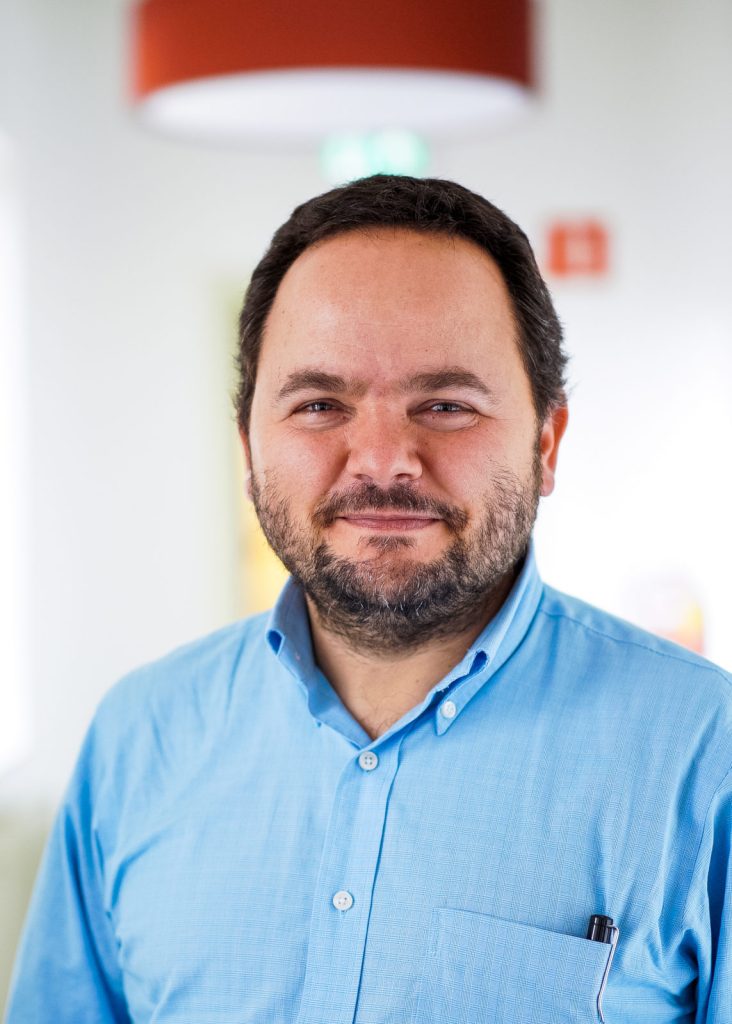
Rolando Vázquez (chair)
Rolando Vázquez is an associate professor of sociology at University College Roosevelt. He directs two exceptional programs, the Going Glocal Mexico and the Decolonial Summer School. The Going Glocal Mexico is their flagship program on Global Citizenship education, it fosters deep intercultural encounters between their students and communities in Mexico. He also coordinates the Decolonial Summer School with Prof. Walter Mignolo since 2009. In the past years, he delivered more than 40 keynotes and graduate seminars on decoloniality. His latest book with the Mondriaan Funds ‘The Vistas of Modernity’ focuses on decolonial aesthesis and functions as an archeology of the white gaze.

Sandra Niessen
Sandra Niessen is a freelance, consulting anthropologist based in the Netherlands. Since 1979, she has been studying, lecturing and writing about the Batak cultures of North Sumatra, Indonesia. In 2003, she left her teaching position of some 15 years at the University of Alberta in Canada to complete her magnum opus, Legacy in cloth: Batak textiles of Indonesia and to explore her origins in The Netherlands. In addition to writing, speaking, fieldwork and teaching, ethnographic museums are a central theme in her career. She contributes to museum catalogues, documents museum collections, and participates in exhibitions.

Sarah Cheang
Sarah Cheang is senior tutor in the history of design at the Royal College of Art, London. Her research centres on transnational fashion, material culture and the body from the nineteenth century to the present day, on which she has published widely. Her work is characterized by a concern with the experience and expression of ethnicity through fashion and body adornment. She co-edited the collection Hair: Styling, Culture and Fashion (2008) and Translation: Britain, Japan, China, Korea (2014-15). Sarah has a special interest in the role of Chinese material culture within histories of Western fashion.

Toby Slade
Toby Slade is an Associate Professor at the University of Technology Sydney and an authority on Japanese fashion and popular culture. His current research focuses on the history, contemporary forms and changing meaning of luxury in Japan, revealing shifts in definitions of social value and patterns of consumption throughout history. He is the author of Japanese Fashion: A Cultural History (Berg, 2009) and Introducing Japanese Popular Culture (Routledge, 2018). He is a founding member of the Research Collective for Decoloniality & Fashion and a guest editor of a special issue of Fashion Theory (September 2020) that explores Fashion and Decoloniality.

Erica de Greef
Erica De Greef is a South African-based, independent fashion curator, researcher and activist with a keen focus on the politics, power and poetics of contemporary African fashion. Her work looks to investigate the impact of the past on contemporary creativity and seeks out the possibilities for new, decolonial fashion futures. She is co-founding member of the African Fashion Research Institute [AFRI], together with fashion practitioner and thinker, Lesiba Mabitsela. They aim to offer both real and virtual spaces that engage with contemporary African fashion as archive, as discourse and as diverse ways of being.
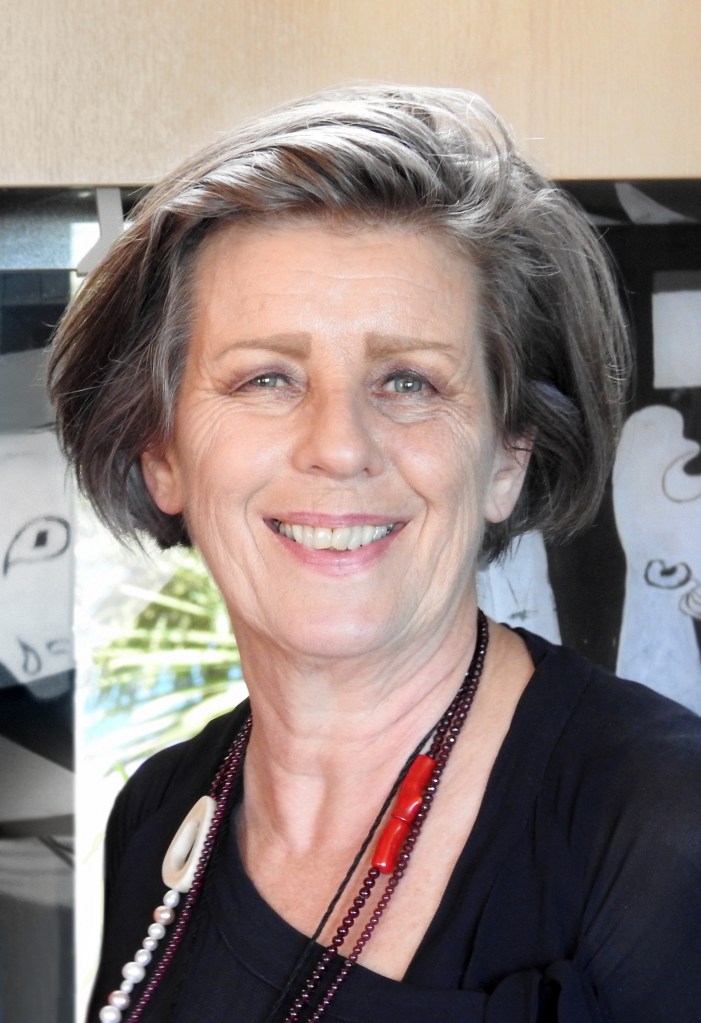
Doris de Pont
Doris de Pont is the founder of the Fashion Museum New Zealand. Established in 2010, the museum has no building or physical collection but instead documents, records and shares the stories of clothes and people that have contributed to the development of a unique fashion identity in Aotearoa (New Zealand). With a degree in Anthropology and teaching, Doris chose to forge a successful career as a fashion designer. It is this focus on how we fashion our personal and social identities by what we choose to wear which provides the stimulus for the research, storytelling, exhibitions, and conversations of the New Zealand Fashion Museum.

Heloisa Santos
Heloisa Santos is a professor and researcher at the Federal Institute of Education, Science and Technology in Rio de Janeiro (IFRJ), Brazil. Her research examines race, gender, and social class in Brazilian culture and their relations with fashion. Santos coordinates the Fashion and Decolonization: Global South Crossing – CoMoDe, which aims to reflect on decolonial scholarships in regard to fashion and to confront the canonical discourses about fashion focusing on the relationships established between humans and clothing in Brazil and elsewhere.
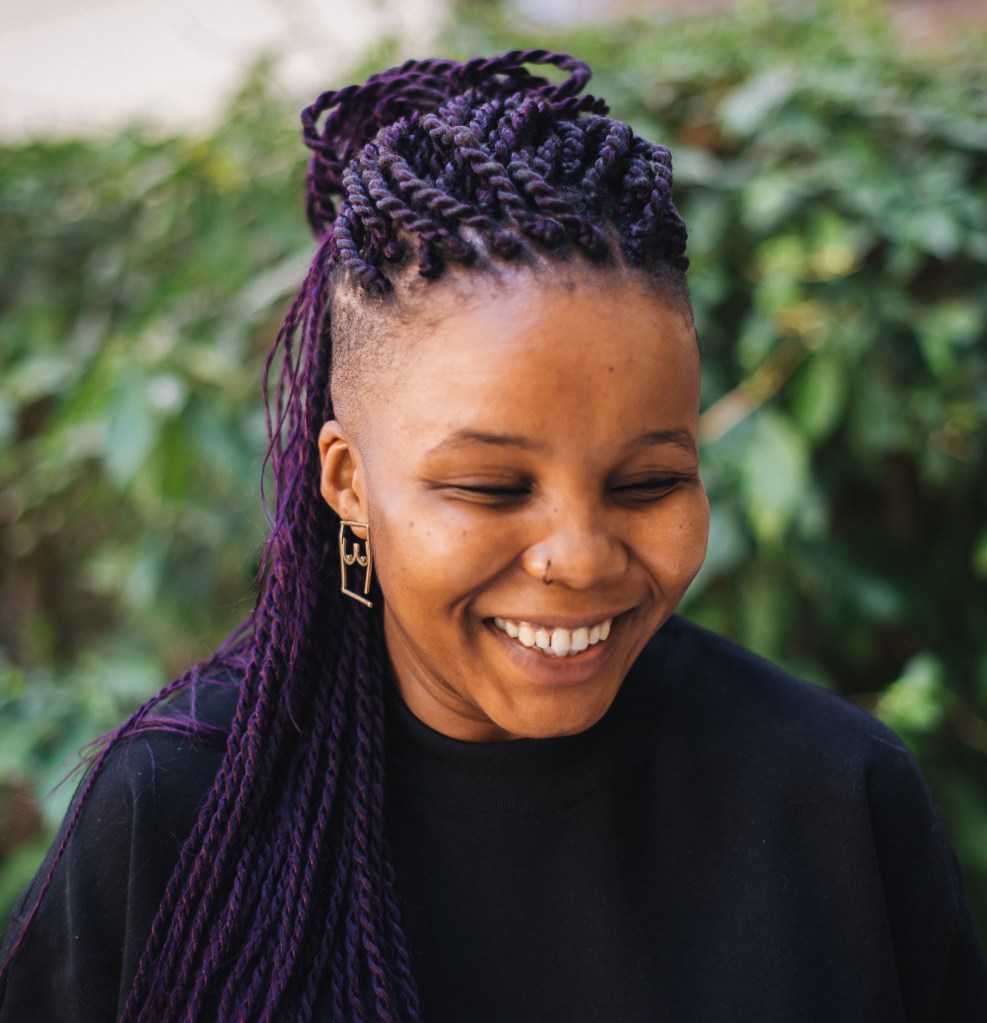
Khanyi Mpumlwana
Khanyi Mpumlwana is the Global Creative Director at the Wikimedia Foundation. Over the years, her creative focus has been on using creativity to solve problems. Her career in advertising focused on harnessing brand power for the representation of underrepresented people and stories. In 2017, she co-founded an initiative (Find New Words) which aims to creatively redesign African languages for LGBT+ terms. Her research interests include a digital anthropological study on how creativity can decolonise and restructure and influence the ways people engage, express and consume content and knowledge on digital platforms.
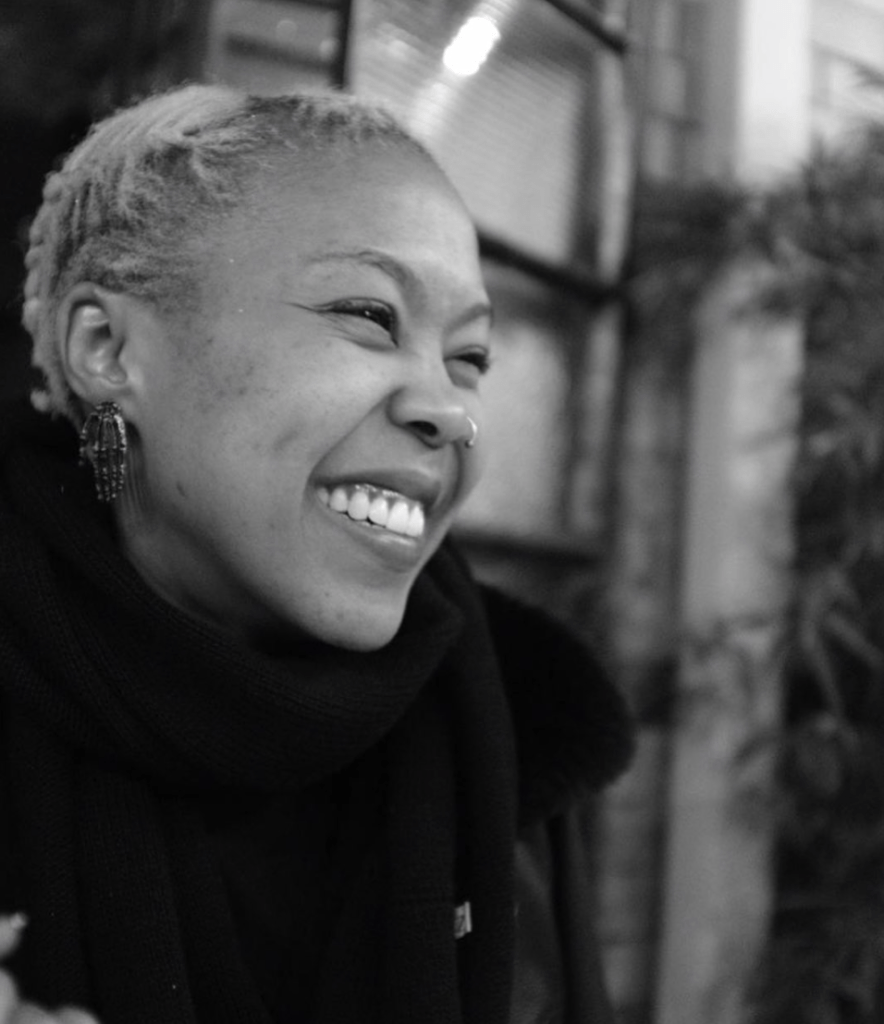
Shayna Goncalves
Shayna Goncalves is a South African fashion marketing consultant. Currently with her own marketing practice, she works closely with directors of conscious fair-trade companies to develop and implement a messaging and creative strategy that connects a business to it’s employees, clients, customers and suppliers by communicating it’s value with clarity, authenticity, and accuracy. Her practice also facilitates education reform for creative qualifications by advising academic institutions on transforming their curriculums to becoming industry relevant, and by working with businesses to create jobs for graduating students through experiential courses where graduating students & entry-mid tier level creatives learn professional outcomes/standards by working on client briefs.
 Research Collective for Decoloniality & Fashion