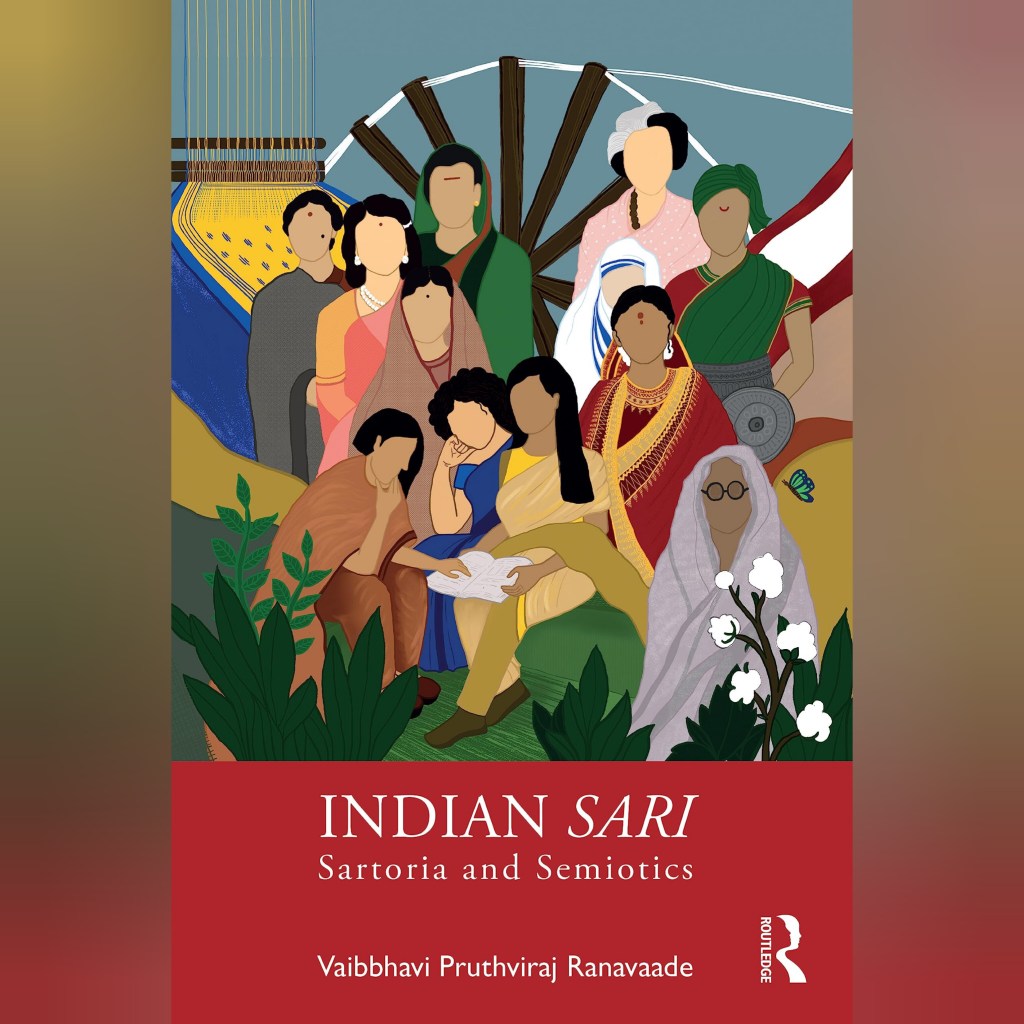
The sari has remained an essential part of culture, tradition and fashion in South Asia and India through many centuries. This book examines the variety of meanings which it carries as a symbol of Indian femininity and tradition as well as a means of creative fashion expression for modern India. It discusses the semiotic interpretations of the sari today by understanding its significance for traditional weavers, designers and people who wear saris at home, work or for religious or cultural occasions. Through surveys, interactions and interviews, the author explores the shared experience of wearing saris in different social and cultural settings across economic groups in farms and boardrooms as well as a means of creative expression for young Indians. It also looks at the processes involved in making traditional saris today, draping and weaving styles, buying behaviour, saris in pop-culture, pride parades and Bollywood and interpretations of what the sari signifies in different socio-economic circles in India. This book will be of interest to students of fashion, design, fashion business, history and cultural studies. It will also be useful for professionals working in the fashion industry and designers.
The sari story is unique to each individual and demystifying that story has been very gratifying for the author. When the social media revolution started in India, the engagement with the sari unravelled a new-found interest; alongside genuine information, some inauthentic misinformation/half-truth soon followed. This compelled the need to bring forth fact-based informative, yet lucid stories about the different facets about the sari. Decode how the sari is integral to the Indian fashion system.
The sari remains the biggest clothing category: Indian women and the sari form the core of heritage. Having realized the impact of the powerful drape, few Indian designers are making efforts to reintroduce and reinvent the sari to make it relevant for the new Indian women. This again led to appreciation for the fluid nature of fashion identities in the postmodern globalized world, simultaneously retaining the heritage and cultural values through its traditional textiles, motifs and crafts. The sari finds a special mind space and wardrobe space for many and yet many untold impactful stories. This book can make difference just by building an understanding regarding how semiology and sartorial legacy work together to create meaningful communications with the sari.
The book explores the stories related to the living heritage of the Indian sari and undertakes further research about different aspects of the sari and other related garments from India. Those who value tradition and embrace contemporary lifestyle mindfully. The readers who are visually stimulated, make reflections, have their own observations, opinions and expressions; those who often influence opinions too. The future of the sari draws from past practices in the costume and textile tradition, contemporary interpretations with the 20th-century modern fashion influences across the socio-economic landscape of India and the changing role of women in every walk of life. Through this book readers will learn how to make sense of semiotic messages and saris that are etched in their living memory, fantasies and imaginations, identity, tradition and conformity, social code and acceptance, and self-expression. Meaning-making equips people in their daily lives as they tackle their sartorial challenges.
Readers will become aware of the value of patient consideration and empowerment in fashion communication and create their unique sari stories. After embracing the sari for everyday workwear and for special occasion, as a fashion designer and educator in the 21st century, the author received mixed reaction of acceptance, reverence, awe and riddled with raised eyebrows about her choice which was rooted in tradition and her unconventional cropped hair. With the western fashions and dynamic silhouettes that are more prevalent and popular among the Indian youths, the sari seemed to be pushed back and was considered as old school or only for occasional wear.
The author started her research journey to address this de-colonized gaze of fashion that she found lacking in the communication of the fashion system. She felt that no one else was using semiology to explore the potential that sari holds that would go on to define manufacturing, consumption and curation in the near and distant future. She engaged with the sari wearers to first understand them and their circumstances, the sari makers and men who were onlookers and witness to the change. The step was creating the models for the benefit of the Indian fashion system, which extends beyond the world of academia. This book provides a lot of deep-rooted semiotic interpretation cues in a very user-friendly manner, to bring a better understanding about the Indian sari, how it continues to be relevant for several thousand years and yet remains current and part of contemporary fashion wardrobe. Thorough review of the theories for fashion change and reasons that explained the changes occurring in the world, how it adapts to changing trend.
Dr. Vaibbhavi Pruthviraj Ranavaade is a Dean – Fashion Design at Chitkara University , India. She is design education leader, researcher, author, speaker and the co-founder and Creative Director of the slow fashion label “Vaibbhavi P”. She has a diverse research experience in the areas of semiotics of fashion, Indian fashion systems and society, decolonized fashion and sustainable fashion. She is actively working towards promoting and developing a responsible glocal fashion language.
 Research Collective for Decoloniality & Fashion
Leave a comment